Hydrostatic Pressure Testing Pumps Equipment About
Hydrostatic Pressure Testing Pumps Equipment
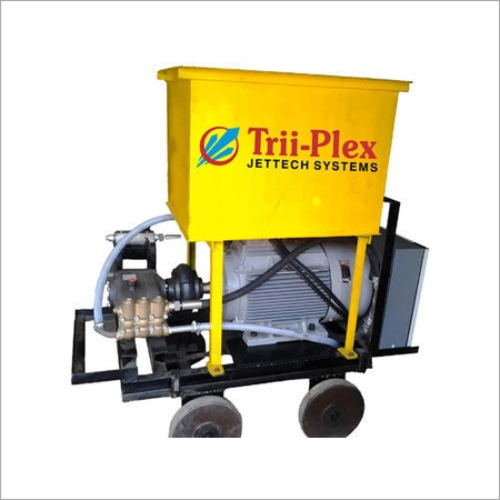
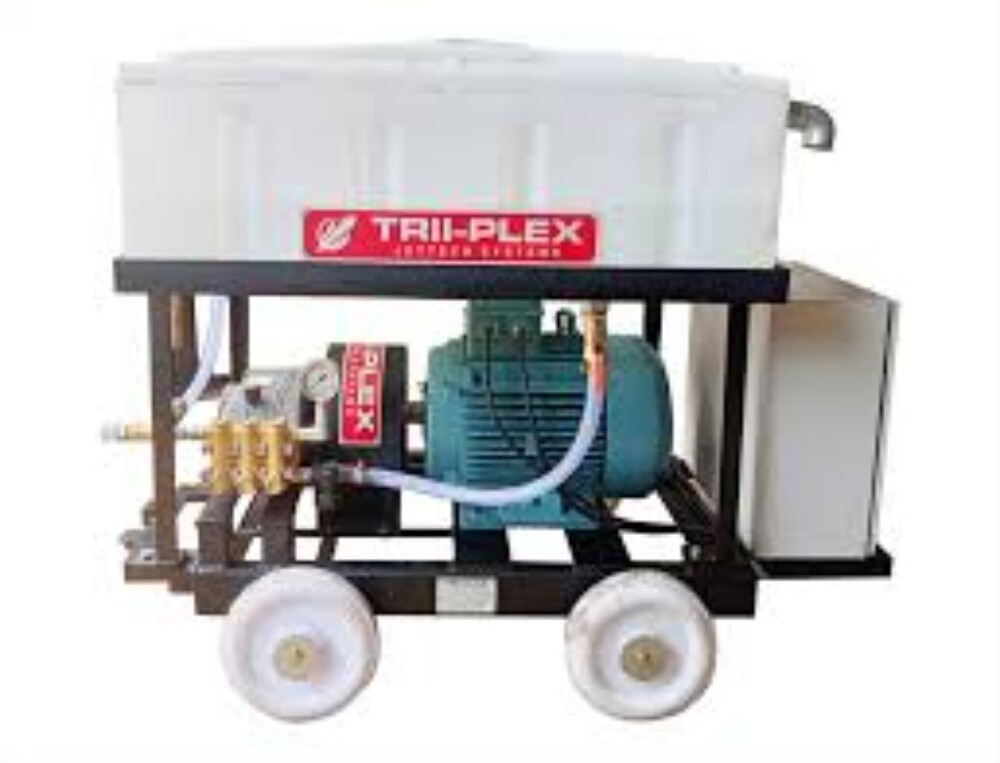
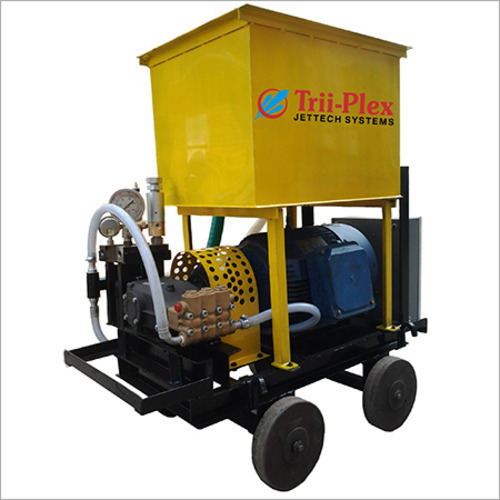
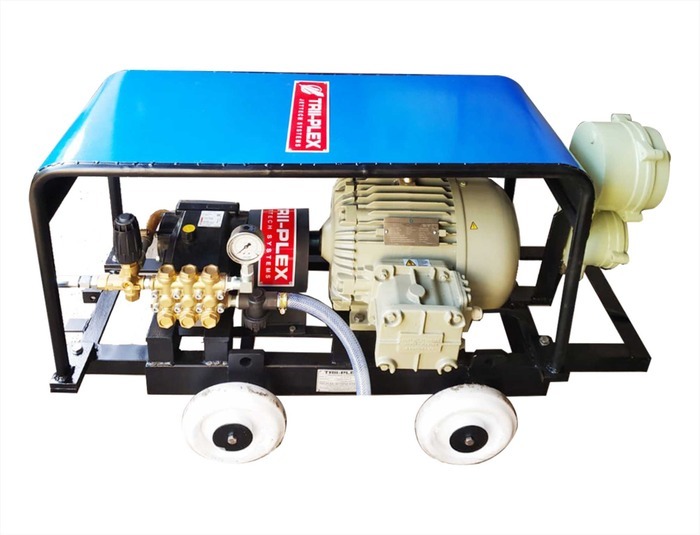
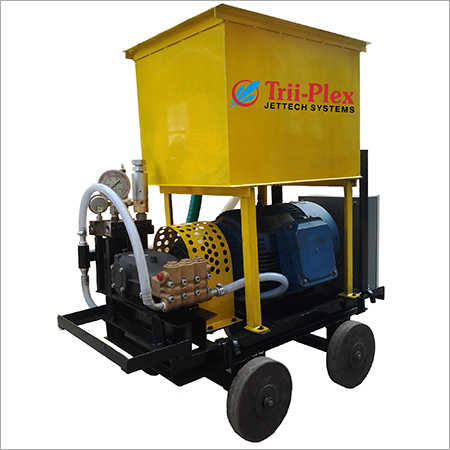
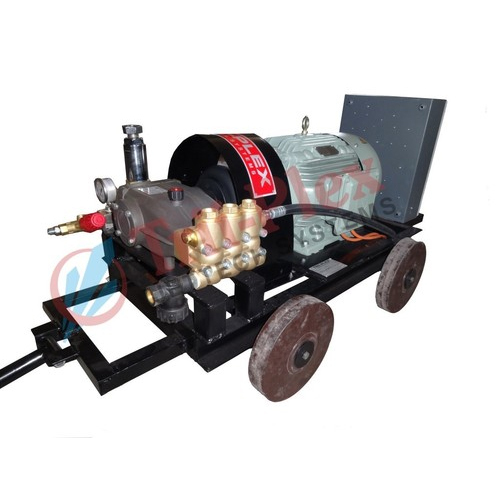
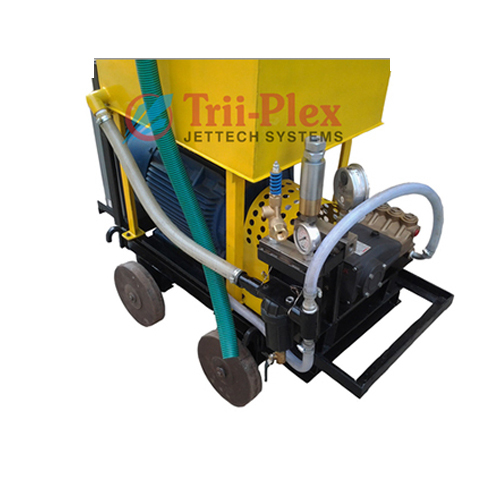
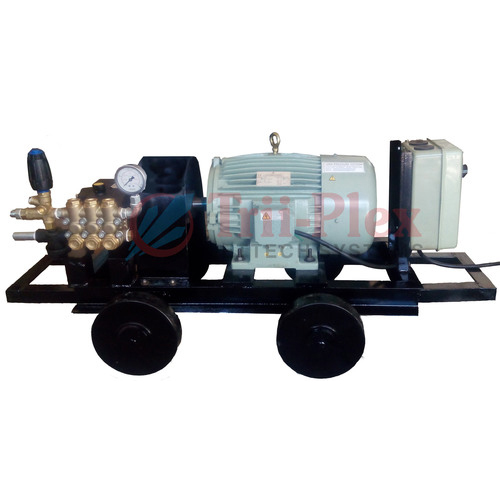
Our company offers industrial-grade Hydrostatic Pressure Testing Pumps Equipment that is designed and developed by our skilled professionals by using heavy-duty engineering materials and premium quality electric drives. It is widely used in boiler and tank manufacturing industries for the testing of leakage and strength. This machine requires an alternating voltage of 220 to 240 volts with a frequency of 50 to 60 Hertz. Hydrostatic Pressure Testing Pumps Equipment availed by us is mounted on a sturdy support frame fixed with castor wheels to easily move it to different locations.
Precision and Power for Demanding ApplicationsEngineered for use in oil well hydro tests, our high-pressure piston pump combines a solid electric power source with advanced material strength, guaranteeing consistent outcomes in challenging environments. Its 17 flow rate and maximum suction capacity allow operators to maintain strict compliance with safety and performance standards. This equipment is trusted across a range of industries for its durability and efficiency.
Reliable Solutions from a Trusted Indian SupplierAs a leading distributor, exporter, manufacturer, and supplier based in India, we ensure every hydrostatic pump undergoes rigorous testing and meets global benchmarks. Our experience in large-scale projects, local delivery, and worldwide export ensures our clients receive dependable solutions tailored to their operational demands.
FAQ's of Hydrostatic Pressure Testing Pumps Equipment:
Q: How is the hydrostatic pressure testing pump used in oil well hydro tests?
A: The pump is connected to the test pipeline or vessel, then filled with water. By operating the electric-powered piston mechanism, the pump increases pressure within the system to the required test level. This process helps check the integrity and leak-resistance of oil wells and pipelines.
Q: What materials are used in the construction of the pump and why?
A: High-strength materials are used in the manufacture of this pump to withstand extreme pressures and harsh operating conditions. These materials provide durability, reduce maintenance, and ensure a long service life for demanding industrial applications.
Q: When should hydrostatic pressure testing be carried out using this equipment?
A: Hydrostatic pressure testing should be performed during pipeline or vessel commissioning, after repairs, or at scheduled maintenance intervals to verify system strength and detect any leaks before regular operation resumes.
Q: Where can this hydrostatic pressure testing pump be installed?
A: The pump is versatile for both onsite field use-such as oil wells-as well as plant-based testing scenarios. Its robust electric operation and portable structure make it suitable for various industrial, construction, and energy-sector environments.
Q: What is the process of conducting a hydro test using this equipment?
A: First, the system is filled with water, then sealed. The test pump is connected, and pressure is gradually increased using the electric motor. The equipment maintains high pressure, allowing for inspection of any pressure drops or leaks, ensuring the integrity of the system.
Q: How does the piston pump structure benefit hydrostatic testing?
A: The piston design ensures consistent, high-pressure delivery and precise control of the flow rate. This structural advantage allows for reliable, repeatable tests, reducing the risk of error and improving safety during high-pressure conditions.
Q: What are the main benefits of choosing this high-pressure testing pump for your project?
A: Choosing this equipment provides you with accurate pressure testing, robust construction for longevity, and dependable performance supported by a reputable Indian supplier. It minimizes downtime, enhances safety, and meets industry certifications, making it a valuable asset for industrial operations.
 Call Us :









 Send Inquiry

 Send Inquiry
 Send Inquiry
 Send SMS
 Call Me Free