Reciprocating Plunger Pump Manufacturer About
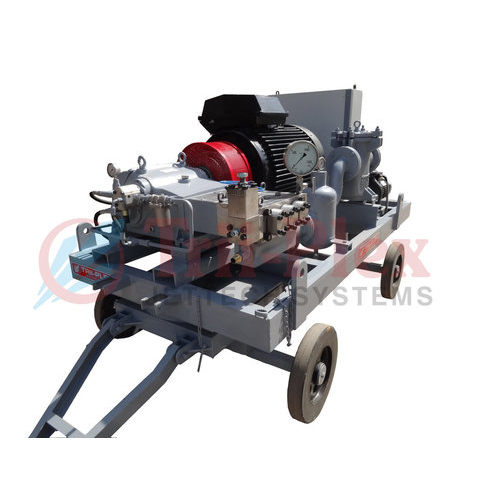
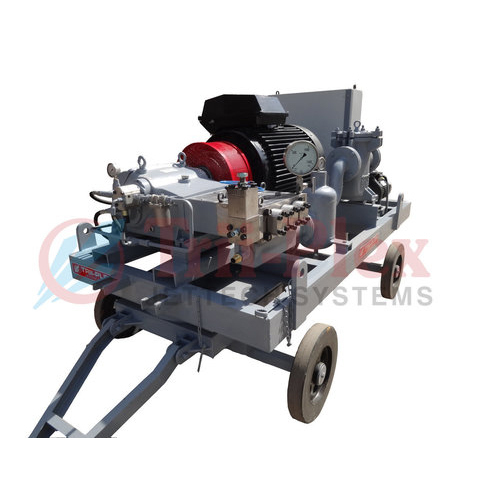
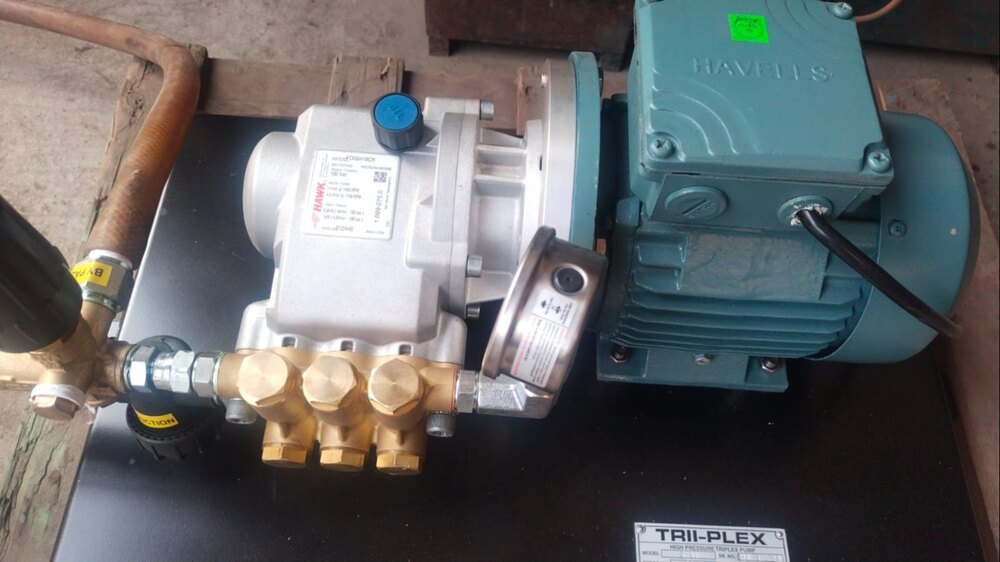
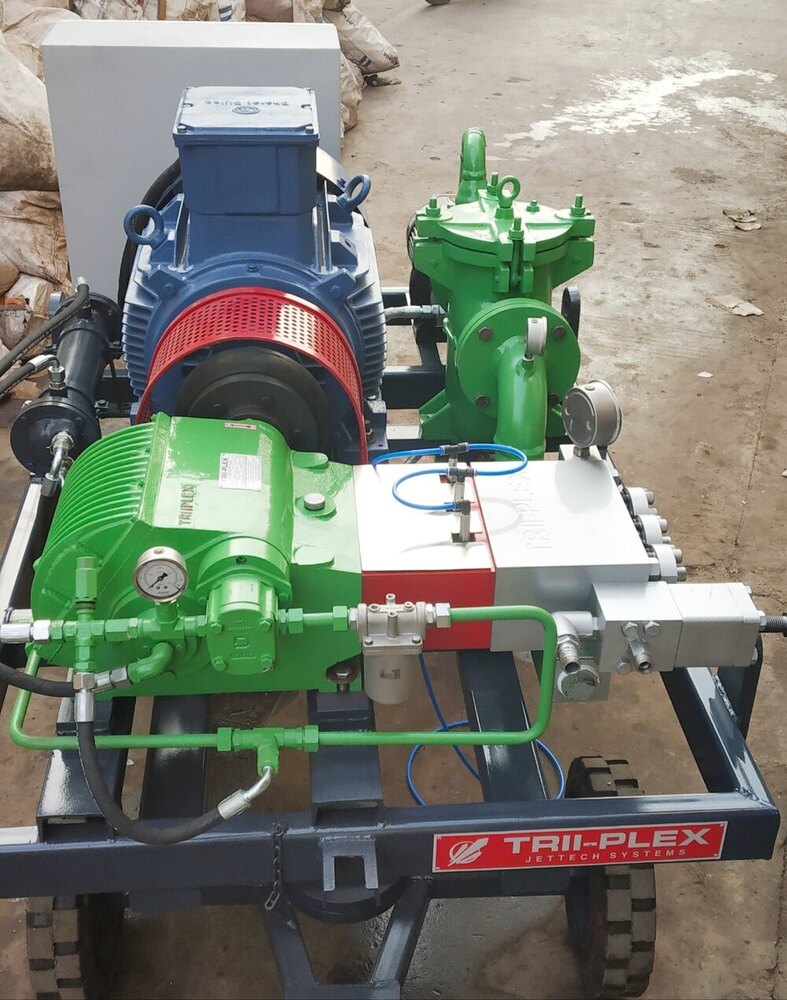
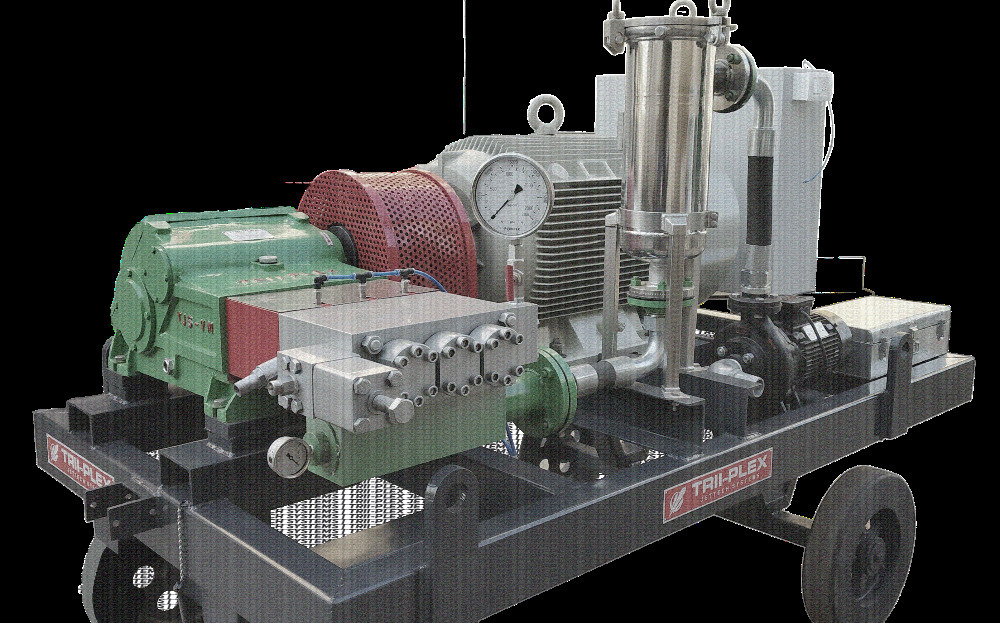
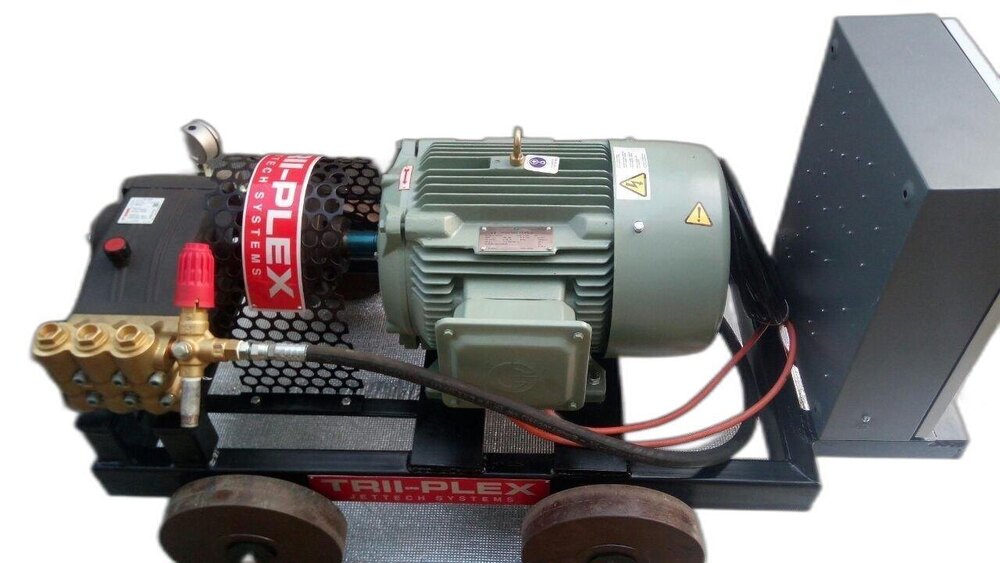
Reciprocating Plunger Pump is rated working pressure up to 660bar/9572 PSI and Volume of upto 84L/min. With Triplex Plunger Cooling System.
Applications:
- Water cleaning for some building surface
- High Pressure Hydrostatic Test of Heat Exchangers, Boilers, Tubes, Cross country pipelines
- High pressure water blasting
- Many area industrial cleaning purpose, heat exchanger tube cleaning, condenser tube cleaning, pipe cleaning, reactor tank cleaning, ACC Tube Cleaning, APH Basket Tubes Cleaning, filter screen cleaning, boil cleaning, tank cleaning, etc.
- Cement plant pipe cleaning, grease remove from the equipment surface, fouling layer removal
Engineered for Continuous OperationOur reciprocating plunger pumps are built to perform under relentless operating conditions, ensuring robust performance, minimal downtime, and exceptional longevity. The high-strength construction and efficient cooling methods (water or air) guarantee reliable performance for continuous industrial applications, from cleaning to pressure testing and water jetting.
Customizable to Your Process NeedsWith options for plunger and seal materials, mounting orientation, and control systems, these pumps adapt seamlessly to varying fluid types and requirements. Their modular assembly makes installation and servicing quick and trouble-free, while the positive suction and wide voltage range accommodate diverse operational environments.
Ensuring Safety and ComplianceEach pump features an integrated relief valve for overpressure protection and is ISO/CE certified for adherence to international quality standards. The low-noise design and corrosion-resistant components ensure safe, sustainable, and reliable operation-meeting the demands of modern industries across India and abroad.
FAQ's of Reciprocating Plunger Pump Manufacturer:
Q: How does the cooling method affect the pump's performance?
A: The pump offers water-cooled and air-cooled options, allowing for efficient heat dissipation during continuous operation. This flexibility ensures optimal working temperatures-up to 70C-based on your industrial environment and requirements, thereby extending service life and enhancing operational reliability.
Q: What materials are used for plungers and seals, and how do I choose?
A: Plungers are offered in ceramic or stainless steel to resist wear and corrosion, while seals come in graphite, Viton, or PTFE, accommodating various fluids like water, chemicals, or slurries. The selection depends on your application's fluid compatibility, operating pressure, and temperature requirements.
Q: When is it beneficial to opt for forced lubrication over splash lubrication?
A: Forced lubrication is ideal for high-speed or high-pressure applications, as it ensures consistent lubrication of moving parts, reducing wear and enhancing pump longevity. Splash lubrication is suitable for moderate conditions where continuous manual maintenance is less critical.
Q: Where can these pumps be installed, and how flexible is the mounting?
A: Our pumps support both horizontal and vertical mounting orientations and can be base or frame mounted, making them adaptable for various industrial layouts and restricted spaces.
Q: What processes can these pumps handle, and what are their key applications?
A: Designed for versatility, these pumps manage water, chemicals, and slurries (depending on seals and materials), making them perfect for industrial cleaning, water jetting, and pressure testing processes.
Q: How easy is the maintenance process for these plunger pumps?
A: The modular assembly is engineered for straightforward maintenance, allowing for quick disassembly and part replacement without extensive downtime, ensuring reduced operational interruption.
Q: What are the benefits of built-in relief valves and ISO/CE certification?
A: The built-in relief valve delivers enhanced safety under high pressure by preventing overloading, while ISO/CE certifications ensure the pump adheres to stringent international standards for quality, performance, and safety.
 Call Us :









 Send Inquiry

 Send Inquiry
 Send Inquiry
 Send SMS